
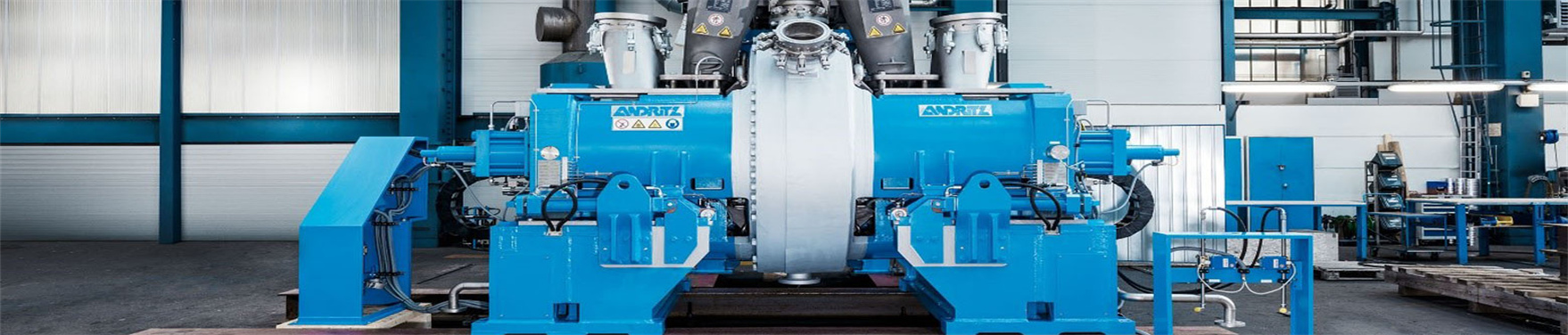

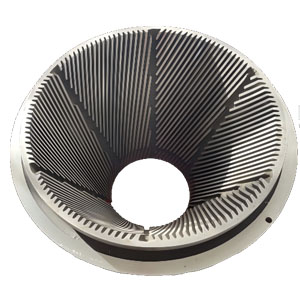
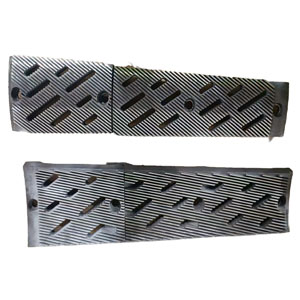
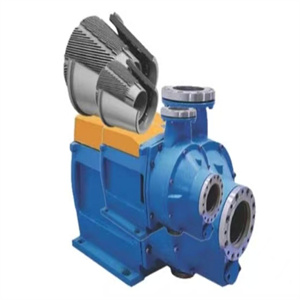
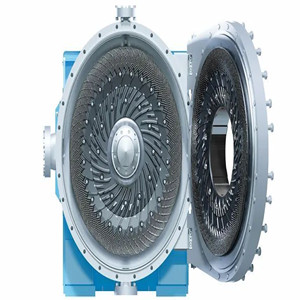
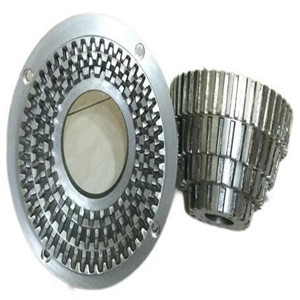
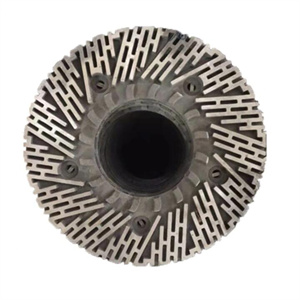
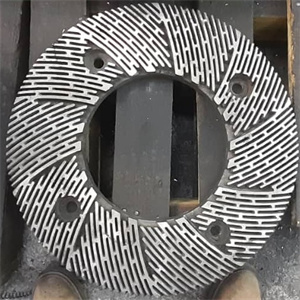
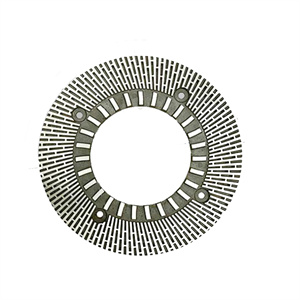
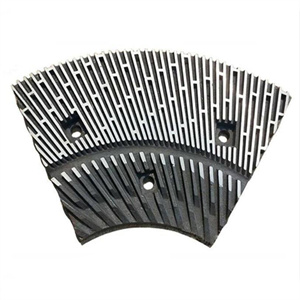
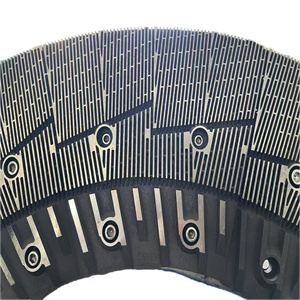
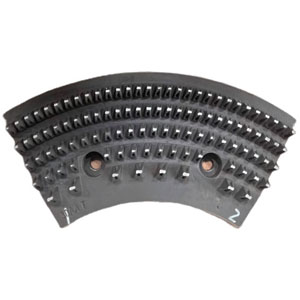
HUATAO Supply conical refiner discs with various and customized material and sizes
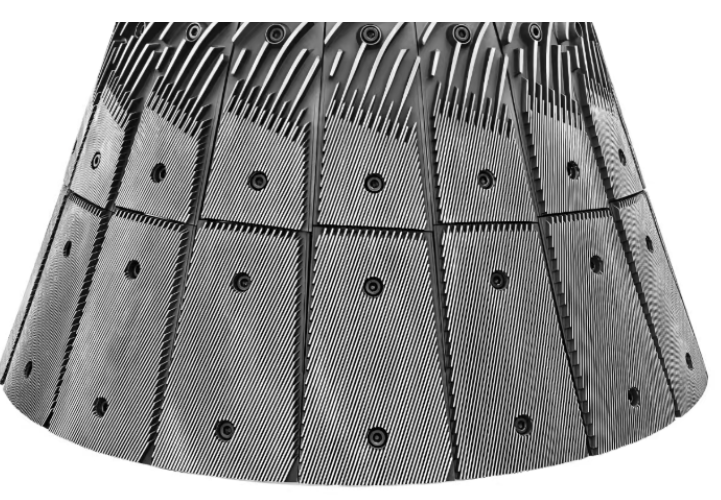
Material Types and Application
|
Material |
Features and Applications |
|
Stainless steel series |
For example, 304 and 316 have good corrosion resistance and are used in some corrosive slurries or in situations with high hygiene requirements. |
|
Alloy steel series |
After special heat treatment (such as quenching and carburizing), it has extremely high surface hardness and good wear resistance, making it the most commonly used material. |
|
Bimetallic Composite |
The matrix is made of tough steel, with the tooth surfaces overlaid or inlaid with ultra-hard wear-resistant alloys (such as tungsten carbide), combining strength and wear resistance for a long service life. |
|
Ceramic/Engineering Ceramics |
Possesses extremely high hardness and wear resistance, but is brittle, suitable for specialty papers requiring high purity and low iron contamination. |
Other performance parameters
|
Parameter |
Description |
|
Hardness |
Wear resistance typically refers to the surface hardness of the gear teeth, expressed using Rockwell hardness. This is a core indicator for measuring wear resistance; alloy steel grinding discs typically have a Rockwell hardness of HRC 50-65, while tungsten carbide coatings can exceed HRC 70. |
|
Mechanical Strength |
Ensuring no fracture under high speed and high load typically refers to tensile strength and impact toughness. |
|
Wear-resistant layer thickness |
For bimetallic grinding discs, the effective thickness of the wear-resistant alloy layer on the surface determines the number of repairs and the total lifespan. |
Bar and groove parameters
|
Parameter |
Description |
|
Pattern design |
①Straight teeth: The simplest type, with a straight fiber flow path and strong cutting effect. ②Herringbone/Oblique teeth: More common, they increase fiber residence time in the grinding zone, promote fiber separation and buffing, and result in better pulping quality. ③Wave teeth/Honeycomb teeth: Specially designed to optimize energy distribution and fiber handling. ④Strip teeth/Grooveless teeth: Primarily used for high-consistency pulping, relying on friction and compression. |
|
Bar Angle |
The angle between the tooth groove and the radial direction affects the flow direction and shearing action of the slurry. |
|
Bar and groove width |
①Tooth width: The width of the grinding surface (cutting ridge). ②Groove width/depth: The dimensions of the groove that accommodate slurry and fibers. ③Groove ratio: The ratio of tooth width to groove width, a core design parameter. A large gear ratio (wide teeth, narrow groove) increases friction and compression, facilitating buffing; a small gear ratio (narrow teeth, wide groove) allows for smooth flow, strong cutting action, and typically lower energy consumption. |
|
Bar dam |
The transverse protrusions in the toothed grooves are used to break the laminar flow of the slurry, increase turbulence and mixing, and improve slurrying efficiency. |
|
Partition design |
Grinding discs are typically divided into a feeding zone, a coarse grinding zone, and a fine grinding zone from the inner ring to the outer ring. Each zone has different tooth groove ratios, rack angles, and groove depths to accommodate changes in slurry concentration and flow rate within the grinding zone, achieving optimal graded grinding. For example, the feeding zone has a wider groove width for easier feeding; the fine grinding zone has an increased tooth groove ratio for finer processing. |
Comprehensive Performance Parameters
|
Parameter |
Description |
|
Specific Energy Consumption |
The energy consumed to grind a unit weight of pulp. Tooth profile design has a significant impact on this. |
|
Freeness Improvement Curve |
The influence of different tooth profile designs on pulp freeness. |
|
Fiber Morphology Influence |
Tendency towards fiber length retention and fibrillation degree. |
|
Lifespan |
The expected run time for a given slurry and production intensity depends on both the material and the tooth profile. |
HUATAO Conical refiner discs are designed for high-strength continuous pulp and paper refining. Optimized rod and groove geometry, combined with precise dynamic balancing, enhances fiber fibrillation, improves paper strength and formability, while reducing energy consumption and vibration. Each disc is manufactured using precision casting and controlled heat treatment processes, ensuring uniform hardness, small dimensional tolerances, and long service life, even in heavy-duty recycled fiber applications. The JC series discs are compatible and interchangeable with mainstream conical paper mills; we support OEM/ODM and can customize rod shapes, groove depths, aperture ratios, and mounting dimensions according to raw materials and grade targets.
To reduce the total cost of ownership, we focus on achieving stable refining profiles, longer cycle times, and batch-to-batch performance consistency. Netstar provides one-on-one technical services, including selection and process diagnostics, installation and start-up guidance, wear assessment, and performance benchmarking.
As an export-oriented supplier, we provide export-standard packaging, complete shipping documents, and HS codes. With a 95% on-time delivery rate and rapid response to inquiries, we help paper mills and OEM partners ensure reliable supply without compromising efficiency or paper quality.
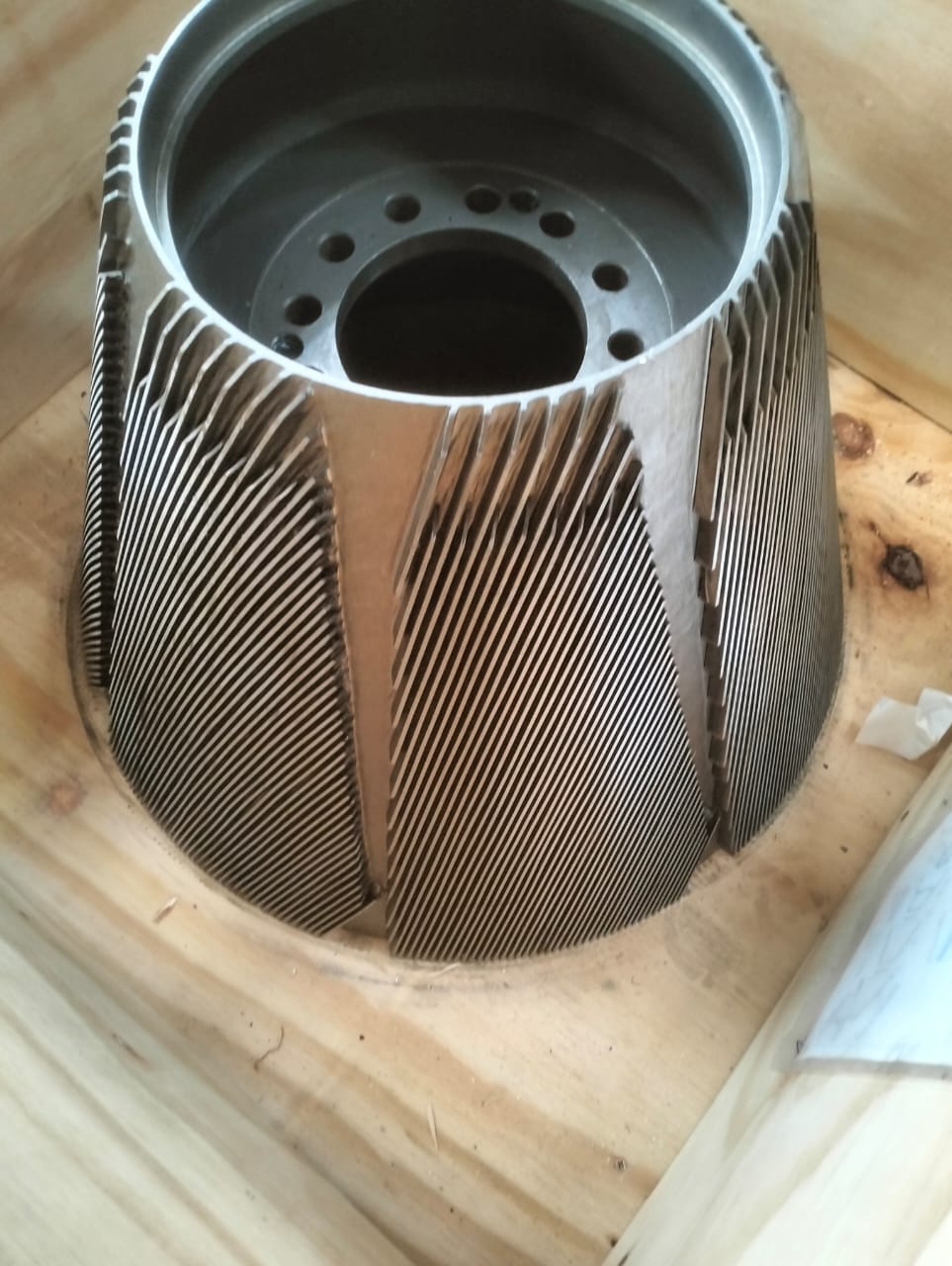
Advantages and Features
1. Long Wear Life: Precision-cast alloys and controlled heat treatment ensure uniform hardness and extended service life.
2. Higher Refining Efficiency: Optimized bar/channel design improves fiberization and reduces specific energy consumption.
3. Low Vibration: Dynamic balance design protects bearings and stabilizes refining results.
4. Tight Tolerances: Consistent interchangeability and shorter break-in time.
5. Strong Compatibility: Compatible with mainstream conical mill brands; easy replacement.
6. Customized Design for Applications: Customizable geometry for reclaimed wood, hardwood, softwood, and specialty grades.
7. Quality Assurance: Batch-by-batch verification of hardness, dimensions, and balance.
8. Export Ready: Robust packaging, complete documentation, and HS code provided.
9. Reliable Delivery Time: 95% on-time delivery; safety stock of common specifications.
10. Technical Support: Selection, installation guidance, wear analysis, and energy optimization.
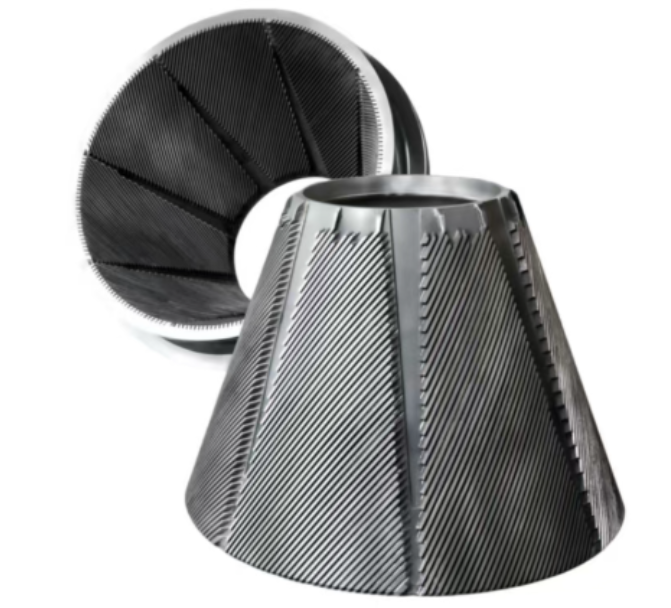
Application Scenarios:
Paper mills producing packaging paper (face paper, core paper), toilet paper and hygiene products, white grade and specialty paper; recycled fiber and high ash systems; hardwood/softwood BHKP/SWKP refining; original equipment manufacturers seeking stable supply; distributors and MRO suppliers in the pulp and paper industry; retrofitting and upgrading of major cone mill refining brands in global export markets.
Any interest, please feel free to contact us
Email: Lucy.chai@huataogroup.com
WhatsApp: +86 15373883537
www.refinerdisc.com
#paper #pulp #mdf #refiner #refinery #grinding #discs #knives #efficiency #quality
can not be empty
The E-mail format is not correct
can not be empty

HUATAO GROUP - REFINER PLATES
ADD : No.298 Zhonghua North Street, Shijiazhuang 050000 China.
TEL : +86 0311 80690567
EMAIL :Lucy.chai@huataogroup.com
Web: www.refinerdisc.com
 WhatsApp & WeChat : +86 15373883537