
In paper manufacturing stock preparation, the double disc refiner plate is a critical mechanical component influencing pulp fiber transformation, mill energy usage, and finished paper quality. The primary objective of the refining process is to convert electrical energy into mechanical stress, inducing controlled fiber wall fibrillation, internal hydration, and enhanced fiber-to-fiber bonding.
HUATAO Company's technical evaluations demonstrate that optimal refining performance depends not only on alloy wear resistance, but also heavily on custom bar profile configuration and system alignment under dynamic operating conditions.
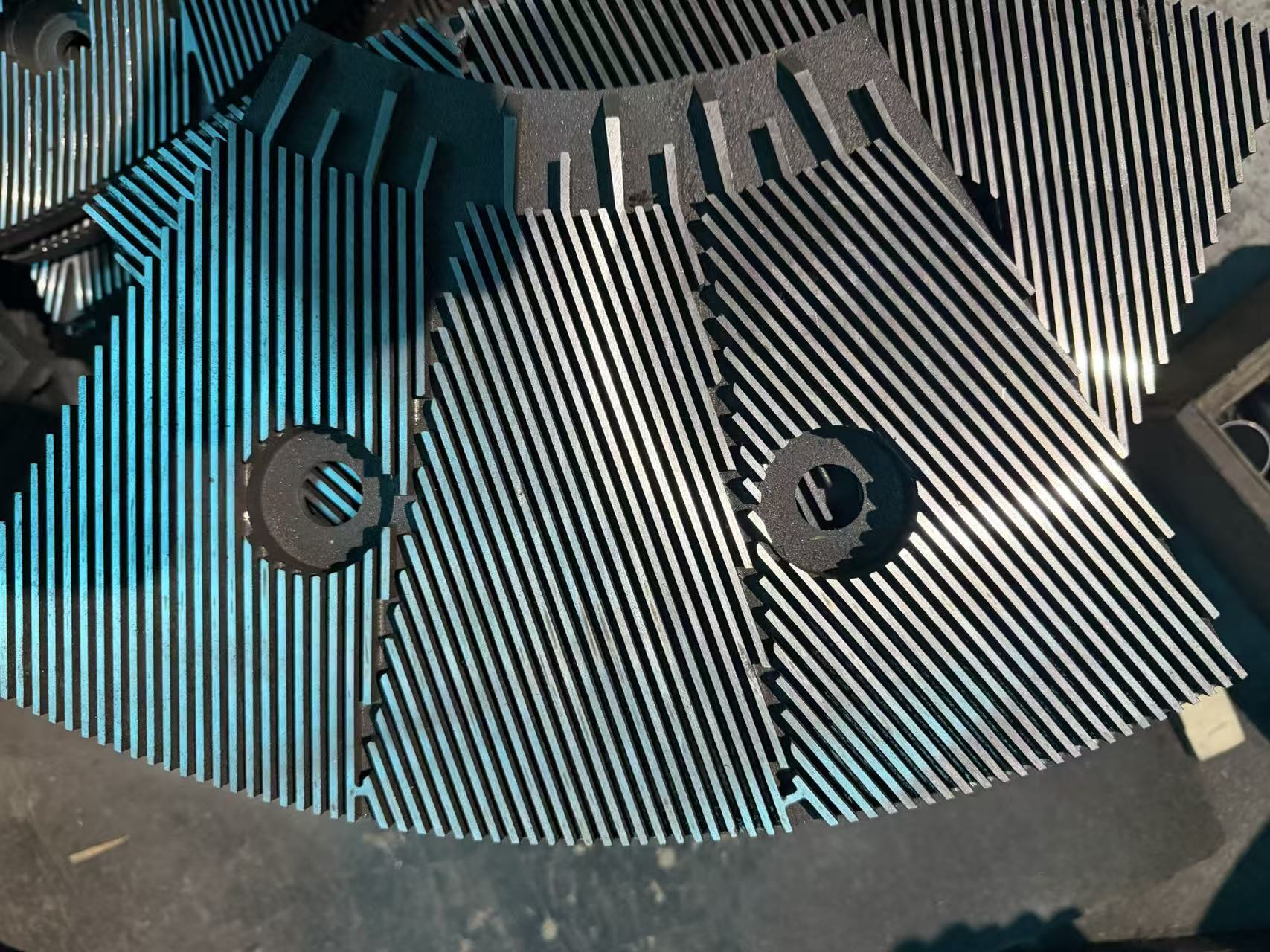
1. Hydrodynamic Mechanics and Force Distribution in Double Disc Refining
During the refining process, pulp slurry moves radially from the refiner center toward the outer rim within the narrow gap separating counter-rotating or rotor-stator disc sets. As the fiber suspension passes through the active bar zone, three distinct mechanical forces act upon the fibers:
Shear Forces: Exfoliate external cell wall layers, promoting fine surface fibrillation.
Frictional Forces: Flex fibers and expand active bonding surfaces for improved tensile strength.
Compressive Forces: Modify internal fiber cell wall structure while preserving overall length.
This combined dynamic stress gives double disc refiners excellent flexibility for precise stock preparation across various paper grades.
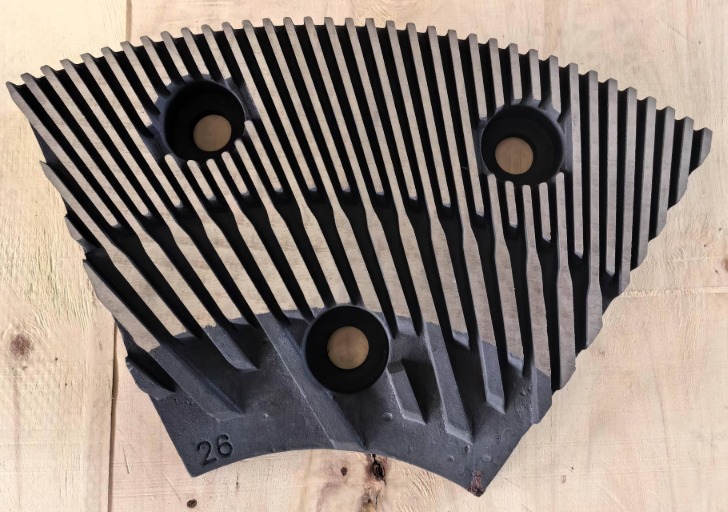
2. Energy Distribution and Specific Refining Intensity
Refining represents a major portion of mill energy demand, typically consuming between 80 and 250 kWh/ton depending on furnish composition and product specifications. Maximizing system efficiency requires transferring energy directly into fiber modification rather than idle friction or thermal dissipation:
Optimized Bar Profiles: Enhance mechanical power transfer and reduce energy losses.
Controlled Edge Loading: Prevents severe fiber shortening and excess fines production.
Stable Process Control: Lowers specific energy consumption per ton of accepted stock.
3. Application Scenarios in Industrial Paper Manufacturing
Double disc refiner plates perform critical functions across several key stock preparation lines:
Continuous Stock Preparation: Delivers consistent pulp drainage and freeness levels during high-capacity continuous production.
Recycled Fiber Lines: Restores bonding potential in secondary fibers while minimizing fiber degradation.
High-Load Refining Systems: Engineered bar pattern configurations withstand heavy stock consistency and high mechanical stress.
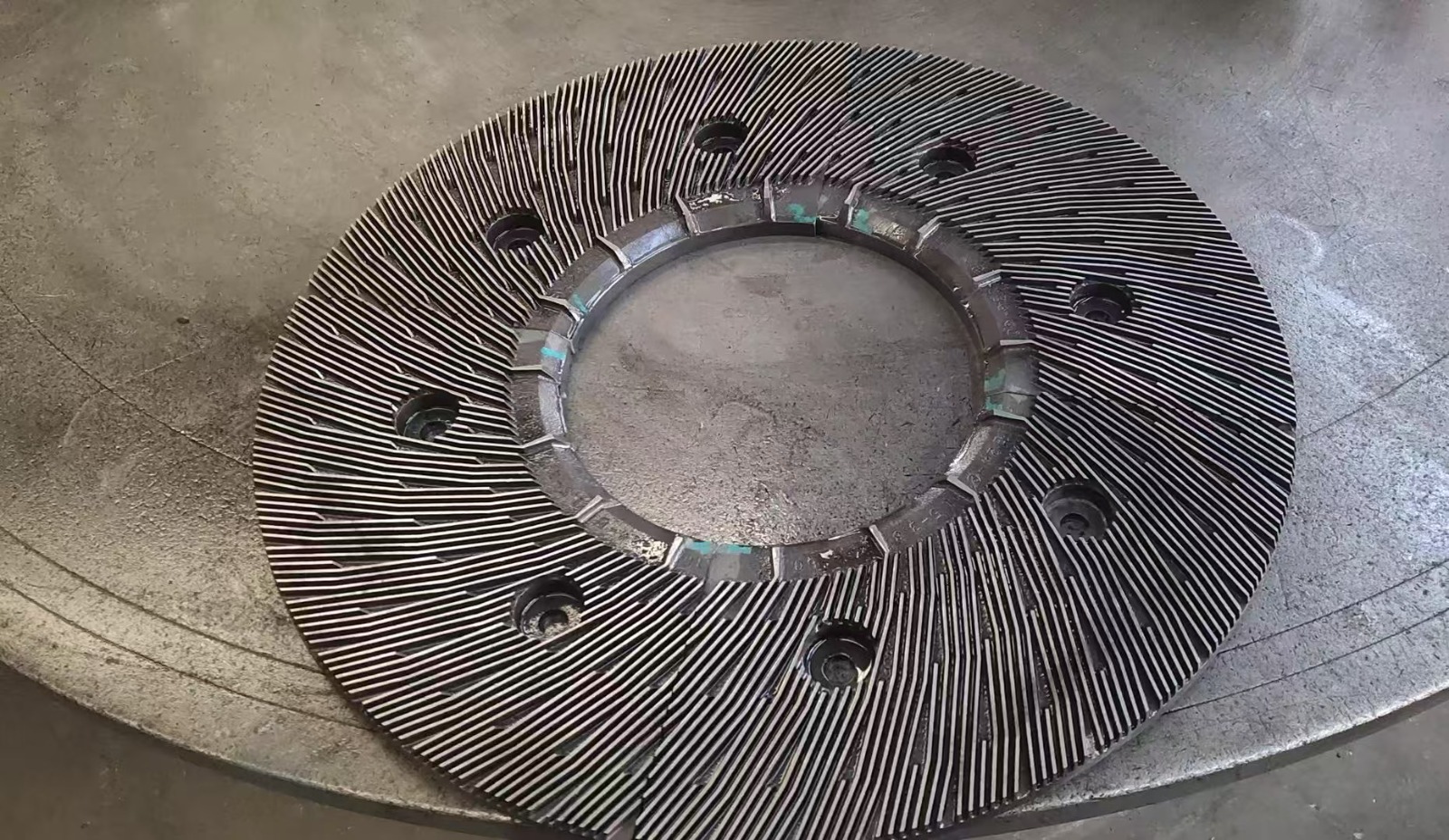
4. Fiber Quality Impacts and Troubleshooting Common Refiner Issues
Refiner plate selection directly governs key physical parameters of the final sheet, including fiber length distribution, freeness drop rate, sheet tensile strength, and drainage rate on the wire section.
Common operational issues and their process effects include:
Excessive Plate Wear: Increases motor load and specific energy consumption.
Mismatched Pattern Geometry: Produces non-uniform fiber treatment and variable pulp drainage.
Mechanical Misalignment: Induces uneven pattern wear, localized contact, and premature disc replacement.
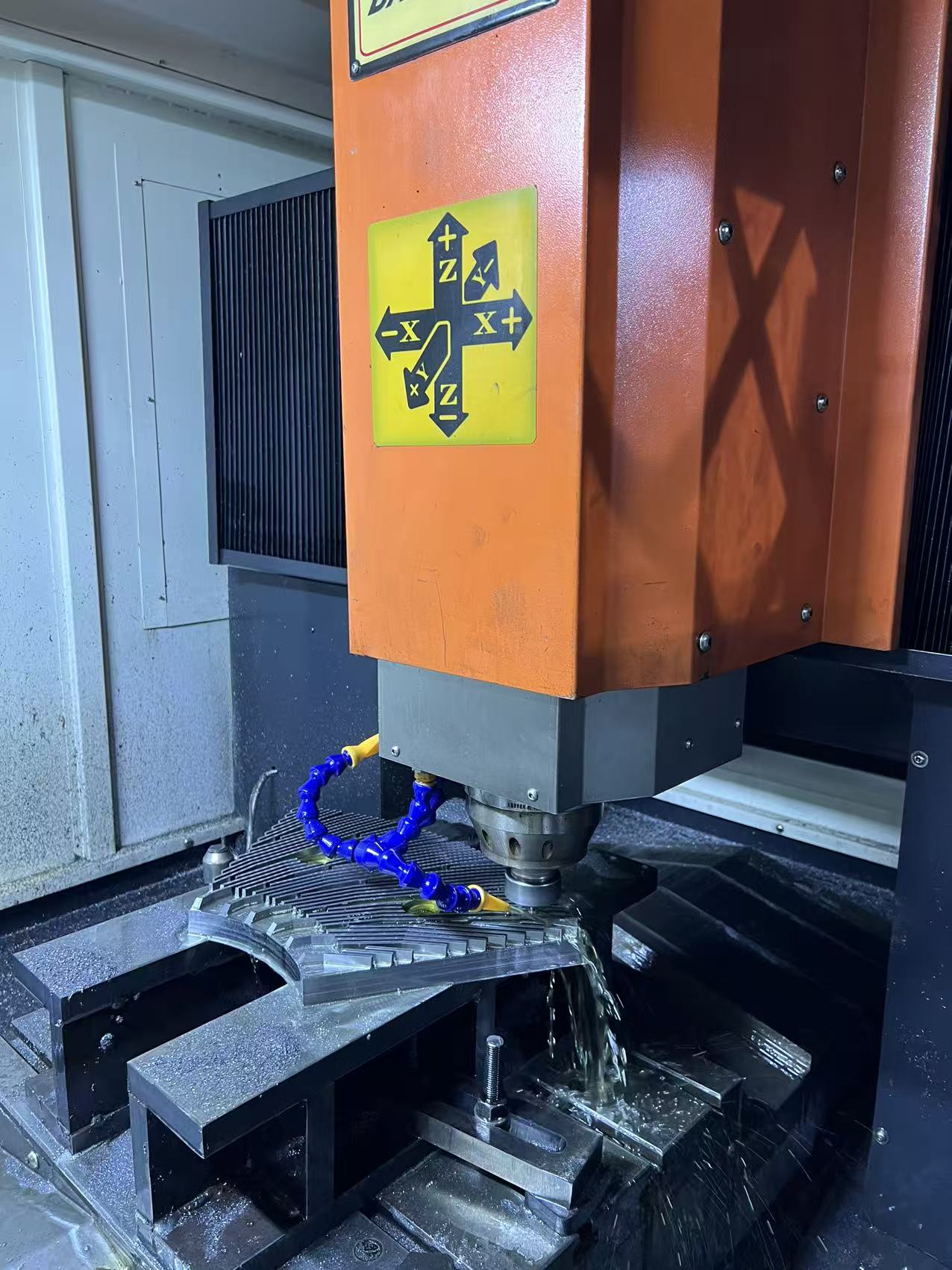
5. Technical Optimization Strategy by HUATAO Company
With extensive service experience in the global paper industry, HUATAO Company advocates an integrated approach to refining optimization. Rather than simply replacing worn plates with standard alloys, HUATAO engineers match refiner plate geometry, bar angle, and dam configurations to specific mill conditions. This targeted engineering strategy delivers extended operating life, reduced energy demand, and consistent paper quality.
Contact Info:
Email: Lucy.chai@huataogroup.com
WhatsApp: +86 15373883537
www.refinerdisc.com
#DDR #refinery #discs #segments #DoubleDiscRefiner #RefinerPlates #PulpRefining #PaperIndustry #StockPreparation #HUATAOCompany #PaperManufacturing #FiberFibrillation #EnergyOptimization #PaperMillEquipment #PulpAndPaperTech #RefinerDisc #PaperMakingProcess #IndustrialPulping #PulpMachinery #PaperTech #FiberBonding #RefiningEfficiency #PaperMillSolutions #PulpQuality
can not be empty
can not be empty

HUATAO GROUP - REFINER PLATES
ADD : No.298 Zhonghua North Street, Shijiazhuang 050000 China.
TEL : +86 0311 80690567
EMAIL :Lucy.chai@huataogroup.com
Web: www.refinerdisc.com
 WhatsApp & WeChat : +86 15373883537