
In medium-density and high-density fiberboard (MDF/HDF) manufacturing, the refiner segment (also known as the refiner plate or grinding disc) is a critical wear-intensive component. It directly affects the mechanical unraveling of wood fibers, energy efficiency, and overall board quality. Accelerated disc degradation increases downtime and drastically raises replacement and maintenance expenses.
Resolving premature wear requires a holistic assessment of operating parameters, equipment alignment, material metallurgy, and bar-groove geometry.
Refining operates under high-temperature hydrothermal conditions. Plates subjected to extreme hardness without adequate fracture toughness are prone to micro-chipping, thermal cracking, and tooth loss. Conversely, insufficient hardness results in excessive abrasive wear from wood fibers and contaminants.
The tooth layout (coarse, medium, or fine) must correspond to the wood species, chip dimensions, moisture content, and desired freeness. Aggressive pattern profiles or constrained discharge channels lead to localized overheating, material packing, and elevated power consumption.
Deviations in plate flatness, parallelism, or concentricity impair grinding zone gap control. This eccentricity leads to localized contact zones, accelerated non-uniform wear, and fiber quality fluctuations.
High rotational speeds amplify any dynamic imbalance present in the rotor or stator plates. The resulting vibration accelerates bearing fatigue and exerts localized impact loads across the segment surfaces.
Improper fitment across keyways, bolt circle dimensions, or segment pitch creates mounting strains and misalignment. Precision fitment is vital when supplying replacement parts for existing defibrator equipment.
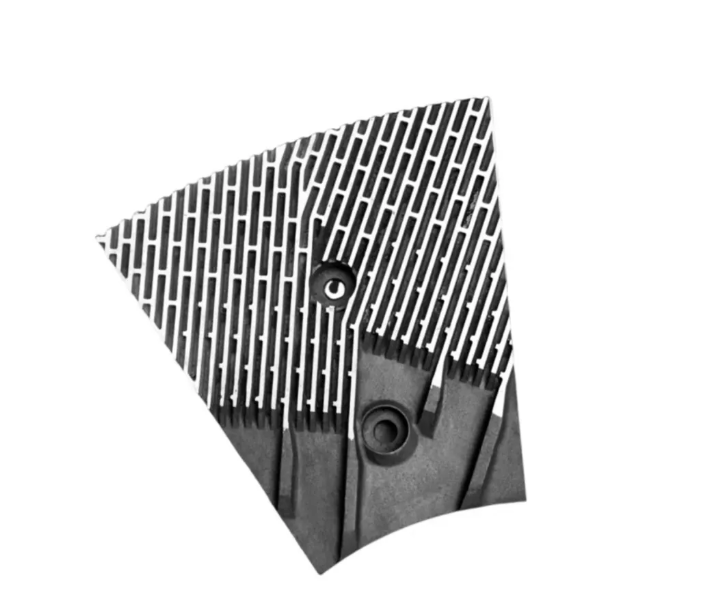
HUATAO applies strict metallurgical and mechanical controls to customize refiner segments for high-demand panel lines:
High-Chromium Alloy Metallurgies: Formulation engineered to withstand high-stress abrasive wear and thermal fatigue.
Controlled Thermal Treatments: Heat treatment processes structured to balance macro-hardness with core toughness.
CNC Machining Rigidity: Precise milling to guarantee strict tolerances for flatness, parallelism, and concentricity.
Dynamic Balance Calibration: Rigorous rotational balancing to eliminate vibration and protect drive assemblies.
Custom Pattern Topologies: Tooth and groove configurations adjusted for specific wood species and target freeness.
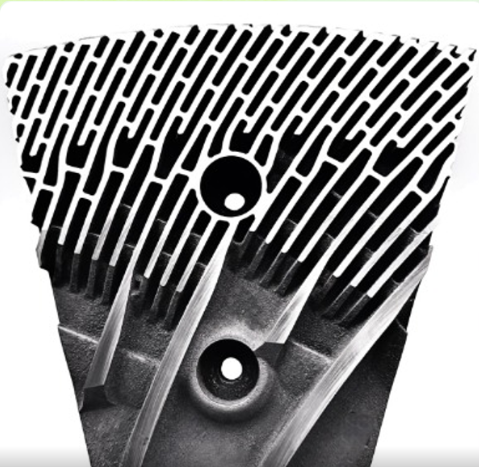
When evaluating refiner plate replacements, panel plants should specify:
Raw Material Profiles: Wood species blend, chip moisture, sand content, and feed uniformity.
Refiner Operating Criteria: Defibrator model, rotor/stator speed, operating pressure, target Canadian Standard Freeness (CSF), and throughput requirements.
Mechanical Specifications: Outer diameter, mounting hole patterns, keyway designs, segment division counts, and current wear profiles.
Contact Info:
Email: Lucy.chai@huataogroup.com
WhatsApp: +86 15373883537
www.refinerdisc.com
can not be empty
can not be empty

HUATAO GROUP - REFINER PLATES
ADD : No.298 Zhonghua North Street, Shijiazhuang 050000 China.
TEL : +86 0311 80690567
EMAIL :Lucy.chai@huataogroup.com
Web: www.refinerdisc.com
 WhatsApp & WeChat : +86 15373883537