
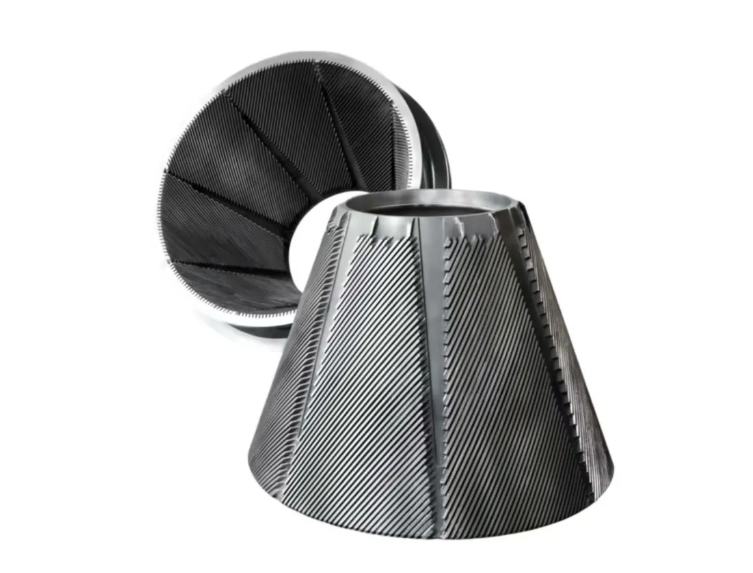
In pulp and paper production systems, the conical refiner is the core equipment for fiber beating and refining, while the geometric structure and material of the refiner plates are the critical factors determining beating quality and energy costs. In actual production environments, many mills face challenges such as high energy consumption despite normal equipment operation, insufficient plate durability, and fluctuations in the physical strength of the finished paper. These issues often stem from a mismatch between the refiner plate design and the physical properties of the pulp. Selecting the appropriate refiner plates essentially involves finding the optimal balance among fiber protection, fibrillation efficiency, and system energy consumption.
I. Differentiated Selection Strategy Based on Raw Material Fiber Characteristics
1. Softwood Long-Fiber Pulp
Softwood pulp fibers possess significant natural length and structural integrity; the primary objective of refining is to enhance fiber flexibility through moderate mechanical fibrillation and kneading while avoiding transverse breakage. Excessive cutting action directly compromises the tensile strength and folding endurance of the resulting paper. Therefore, for long-fiber pulp, it is advisable to select refiner plates with deep grooves and wide bar spacing; this increases the space and residence time for fibers within the refining zone, thereby evenly distributing the specific pressure.
2. Hardwood Short-Fiber Pulp
Hardwood pulp fibers are short and possess relatively limited individual fiber strength; the refining goal is primarily to increase the specific surface area of the fibers to enhance inter-fiber bonding. This requires refiner plates that offer a higher frequency of action rather than high single-impact intensity. A plate design featuring high bar density and shallow grooves allows short fibers to undergo multiple instances of gentle kneading within a given timeframe, achieving fine fibrillation. Conversely, deep-groove designs tend to result in low processing efficiency and increased unproductive energy consumption.
3. Recycled Waste Paper Pulp
Recycled waste paper pulp has a complex composition; not only do fiber properties degrade due to repeated recycling, but the pulp often contains impurities such as grit and microplastics. This application requires refiner plates that combine effective refining performance with exceptional wear and impact resistance. In practice, plates with moderate bar density made from high-hardness, wear-resistant alloys are typically employed, alongside reinforced upstream impurity removal and pretreatment systems.
II. Matching Process Objectives with Key Technical Parameters
Selecting the right refiner plate depends not only on the raw material type but, more importantly, on the quality specifications of the final product:
To increase freeness, the intensity of microscopic fiber fibrillation (rubbing/kneading action) must be enhanced;
To preserve fiber length, the cutting action of the bar edges must be moderated (blunted);
To achieve system-wide energy savings, the balance between bar pattern and load must be finely tuned.
Three core parameters require particular attention during the selection process:
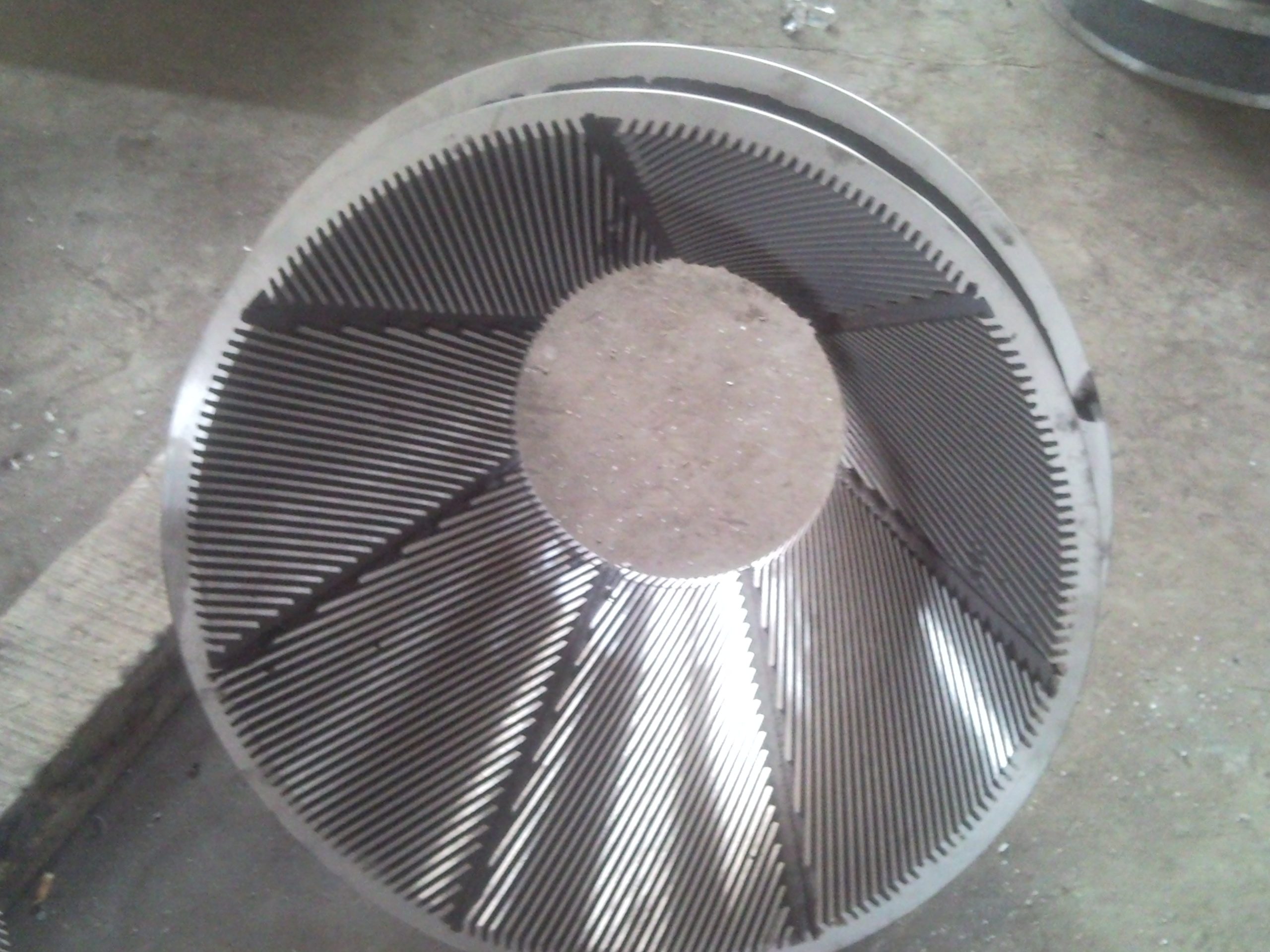
Bar Pattern: Determines the dominant mode of mechanical action on the fibers (the ratio of fibrillation to cutting);
Bar Density: Directly controls the frequency of refining actions per unit of time, influencing the balance between energy consumption and efficiency;
Material Properties: Determine the wear life of the plate and its stability under high-load conditions.
III. Common Selection Pitfalls and Systematic Solutions
Common pitfalls in selection practice include: using a single plate specification across the entire mill; prioritizing material wear resistance at the expense of refining quality; and neglecting the coordinated adjustment of operating parameters such as plate clearance and load. While these errors may not be immediately apparent, long-term operation leads to a significant rise in production costs.
To achieve optimal refining efficiency, a customized selection approach based on specific operating conditions is recommended. When providing refining solutions, HUATAO Company comprehensively evaluates factors such as pulp furnish composition, current energy consumption, paper quality specifications, and equipment operating parameters to tailor the ideal combination of bar pattern and material for the customer.
Contact Info:
Email: Lucy.chai@huataogroup.com
WhatsApp: +86 15373883537
www.refinerdisc.com
can not be empty
can not be empty

HUATAO GROUP - REFINER PLATES
ADD : No.298 Zhonghua North Street, Shijiazhuang 050000 China.
TEL : +86 0311 80690567
EMAIL :Lucy.chai@huataogroup.com
Web: www.refinerdisc.com
 WhatsApp & WeChat : +86 15373883537